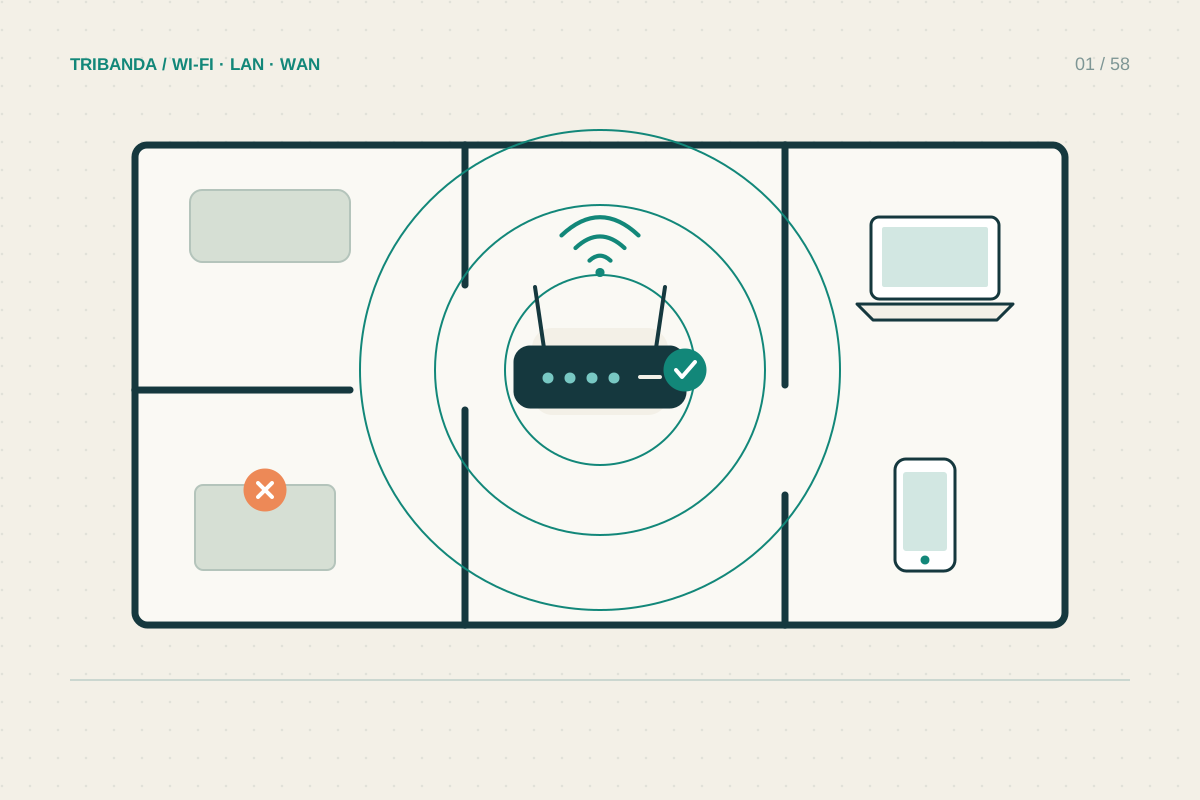
A balcony beyond the living room and a garden table across the lawn need different plans. Identify the exact outdoor spot and the conditions in which you use it. A connection tested beside an open door may disappear when the door closes for an ordinary evening.
Measure the boundary of the home
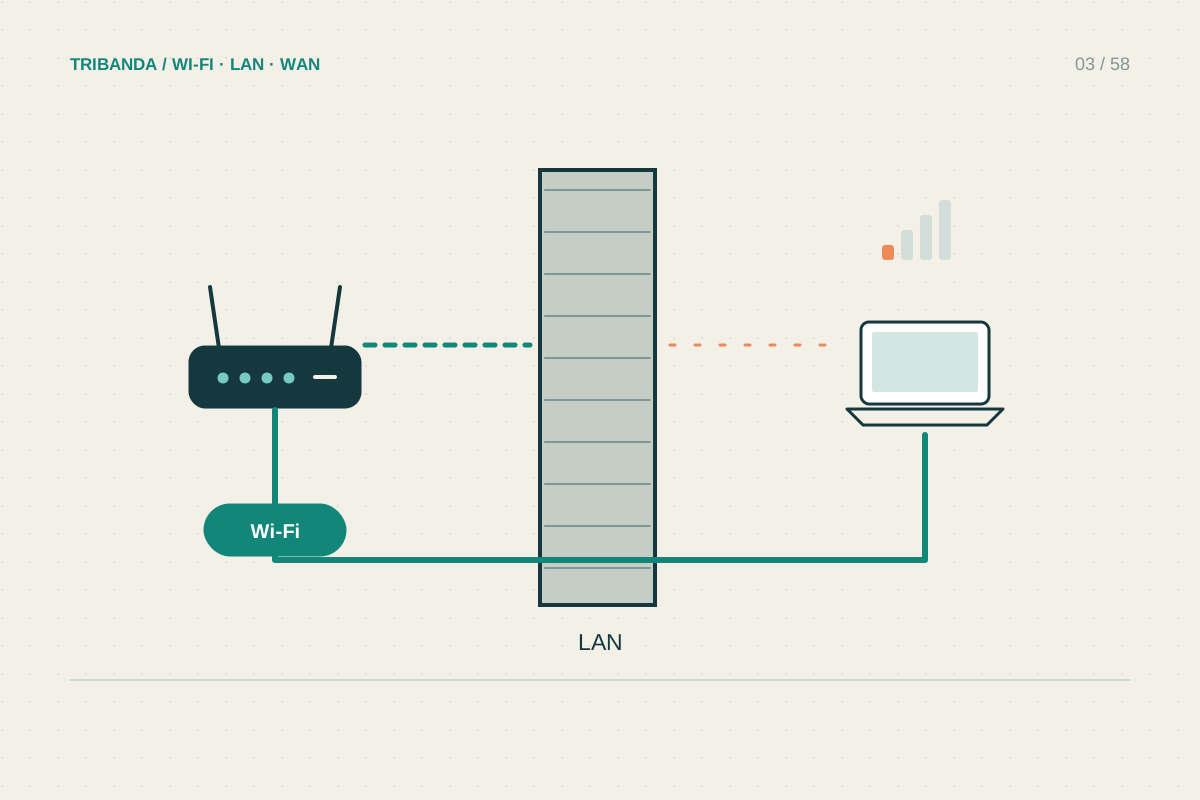
Take a phone to the balcony chair or garden desk. Compare the connection with the door open and closed, then repeat just inside. Glass with metallic coatings, shutters and masonry can change the result. A reliable connection indoors does not establish outdoor coverage.
Try moving the indoor router towards the outdoor-facing room while keeping it ventilated and away from direct sun. Check the rest of the house afterwards. An indoor unit on a windowsill should stay indoors and within its temperature limits; a sheltered-looking balcony is not automatically suitable.
Decide whether occasional coverage is enough
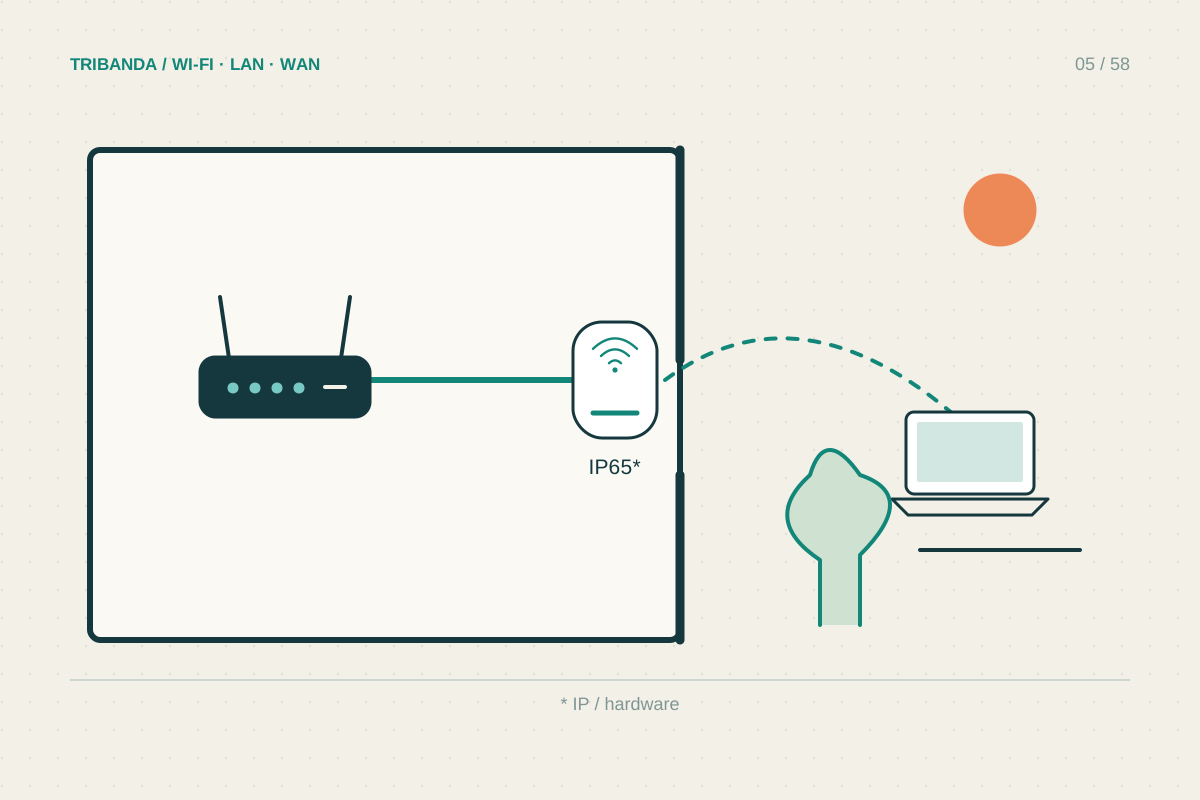
For reading messages on a balcony, a better indoor position may be adequate. For a permanent garden office, camera or frequent calls, plan a dedicated outdoor access point or another properly installed connection. Choose equipment explicitly rated for the environment, not a household mesh unit wrapped in plastic.
Outdoor installations also need suitable power and cabling. Power over Ethernet carries data and power on one cable when equipment and supply are compatible. A weather rating applies to specified installation conditions, including cable seals. It does not make arbitrary connectors or the power adapter waterproof.
- Measure inside, at the boundary and at the outdoor seat.
- Repeat with shutters and doors as normally used.
- Test a better indoor position before planning installation.
- Verify ratings, power and upstream connectivity for permanent outdoor equipment.
- Recheck indoor rooms and guest isolation.
Keep backhaul and security in view
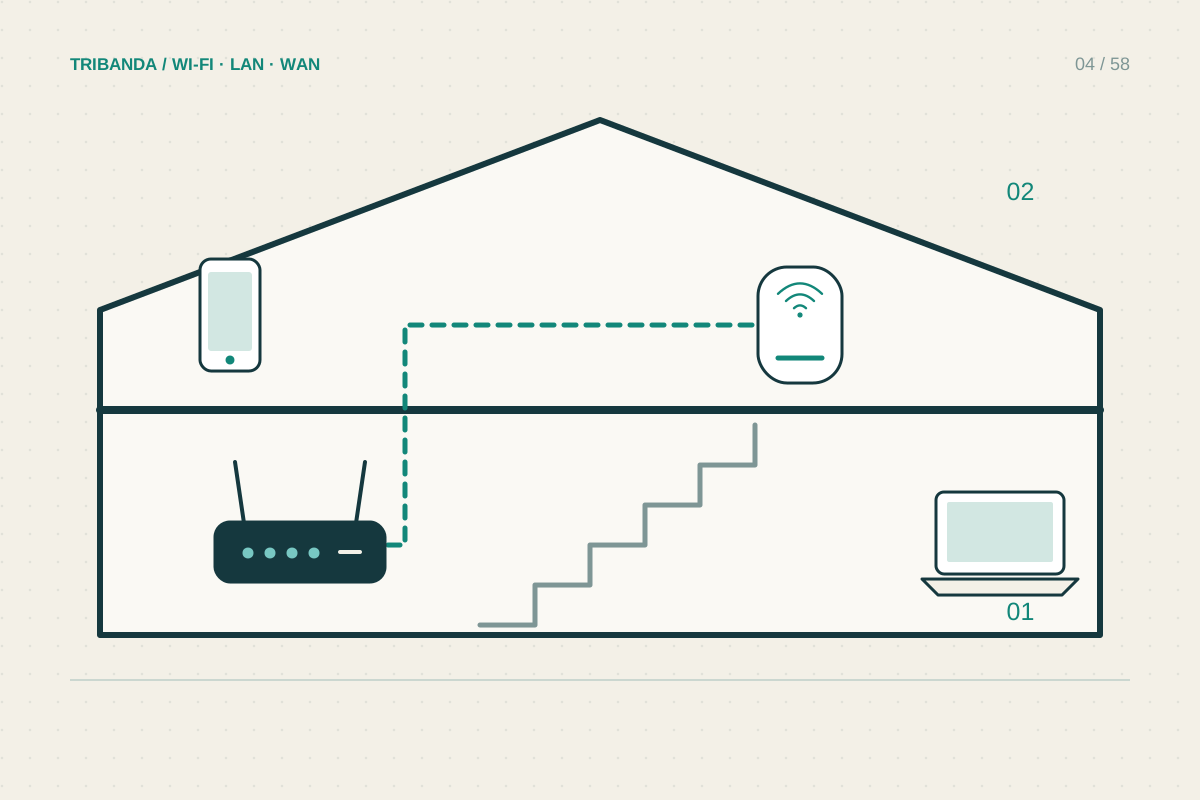
A garden access point needs a reliable upstream connection to the home network. A wireless node at the far end of the lawn cannot create internet from a weak indoor signal. If a cable is impractical, assess a supported outdoor link with a clear route rather than several uncertain indoor hops.
Use sensible security outdoors and consider a guest network for visitors. Greater coverage may extend beyond your property. A separate network name alone does not isolate guests from household devices: check the actual isolation setting and test access to a local printer before sharing the connection.
Choose the solution for the outdoor location you use. Permanent outdoor coverage needs equipment and cabling designed for that environment.
Common questions
Can an indoor mesh unit stay under a roof?
Only if its manufacturer allows those conditions. Rain shelter does not prevent humidity or temperature problems.
Will an outdoor access point reach every garden corner?
Not necessarily. Walls, trees, mounting position and the client device still affect the link.
Original technical illustration; schematic, not to scale.