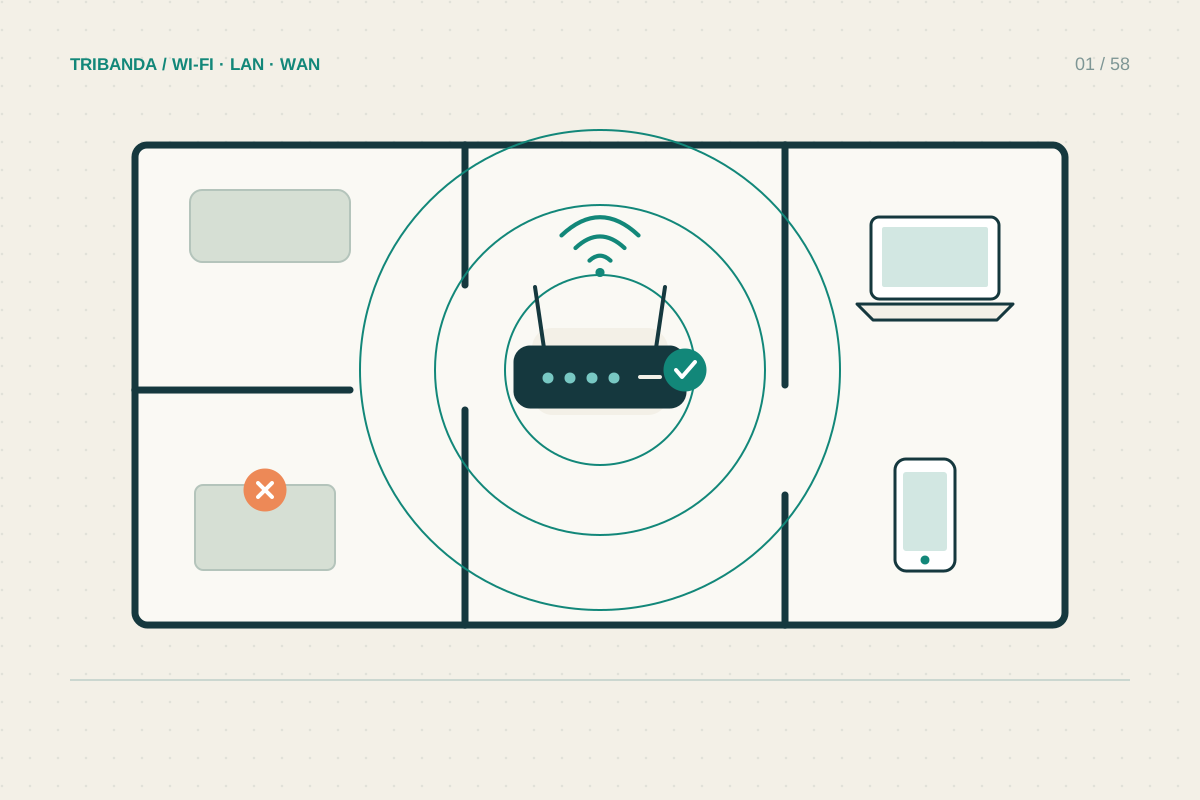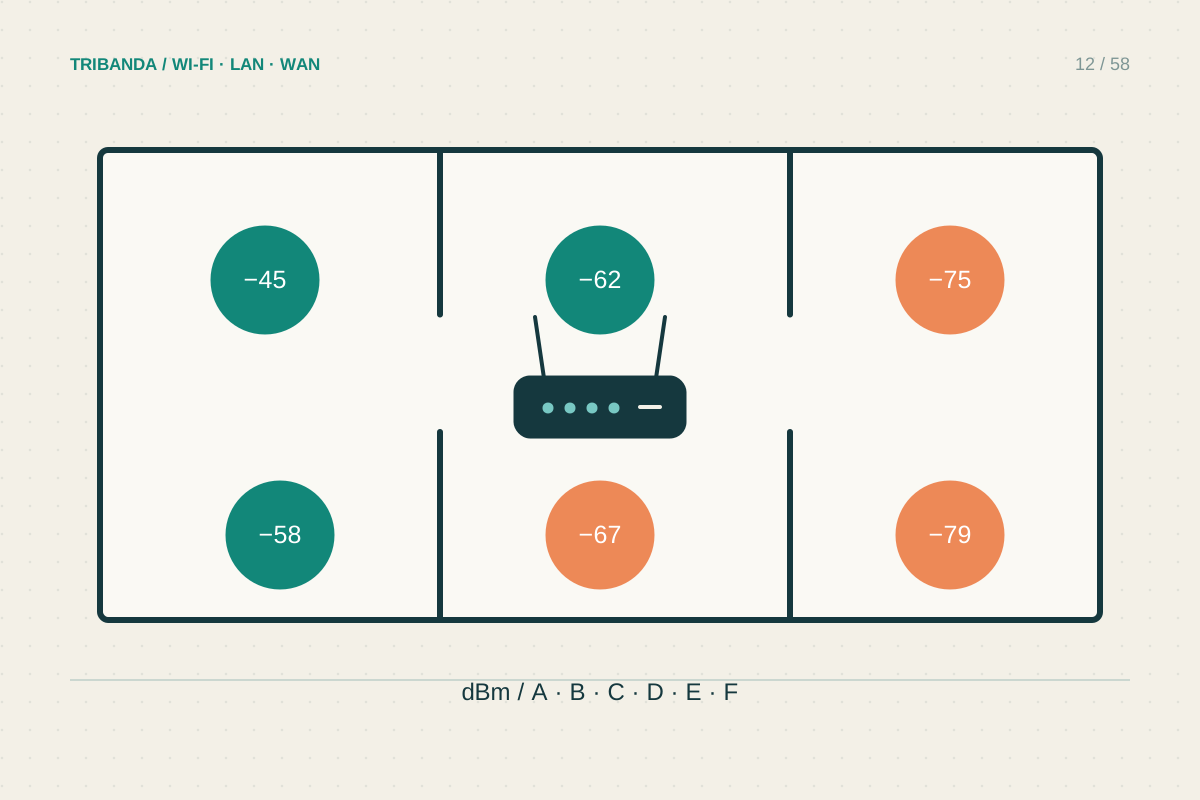
A useful coverage map is a record of where normal tasks work, not just a colourful diagram of signal bars. You can make one with a floor-plan sketch and a single device. Consistent positions and repeated observations matter more than expensive measurement software.
Pick locations that represent daily use
Mark the work desk, television, kitchen counter and any room where connections fail. Add a reference point near the router. Measure from the actual seat and normal device height: a hallway test does not describe a laptop behind the office door.
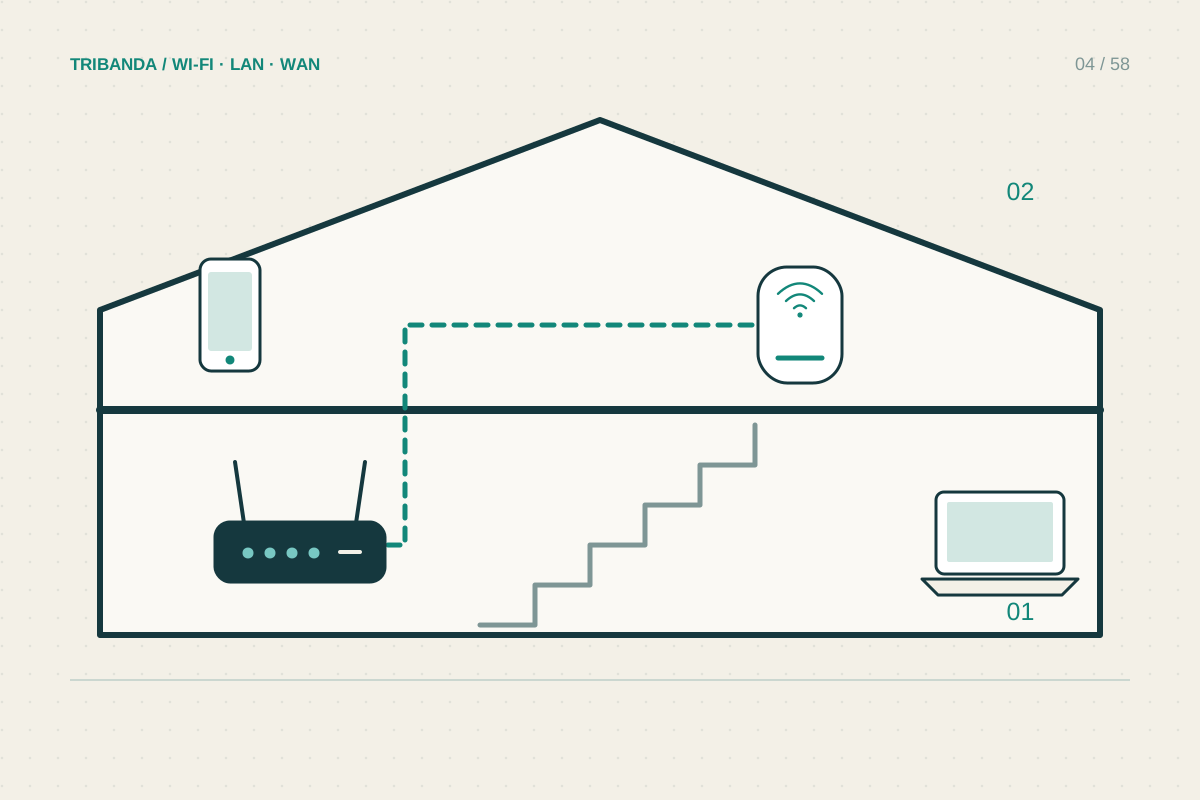
Choose one phone or laptop for the whole initial map. Different antennas and supported bands make results from different devices difficult to compare. Note the date, router position, device and selected band. For mesh, record the connected node when the management app provides that information.
Collect more than download speed
At each point, note whether a page loads promptly, whether the network disconnects and whether the intended application works. Run repeated speed measurements with the same service and pause large background transfers during the baseline. Keep the slowest result as well as the best.
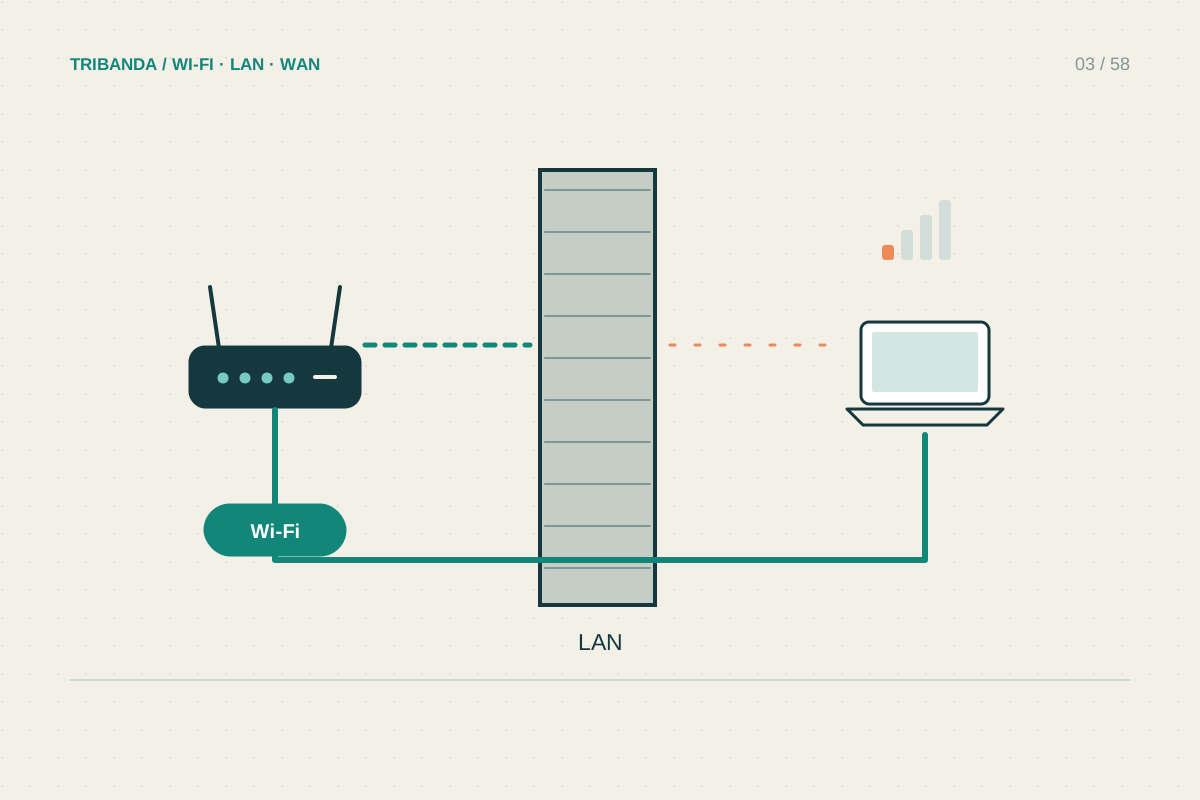
Internet tests include the broadband connection and remote test server. If possible, compare a wired baseline so that a whole-house service slowdown is not mistaken for poor radio coverage. Signal strength in dBm, when available, is a useful clue but does not measure congestion or application performance by itself.
- Sketch the rooms and mark five or six important test positions.
- Record a near-router and, where possible, wired baseline.
- Measure every marked point with one device.
- Repeat problem points during the usual busy period.
- Change one thing and repeat the exact map before expanding the network.
Turn the map into a decision
Group results by the likely constraint. A single room behind a dense wall suggests a local route problem. Poor results throughout the home, including Ethernet, suggest investigating upstream service or router load. A mesh satellite with weak backhaul needs a better link even when client signal is strong.
After changing one position or setting, repeat the same points with the same device. Save the earlier sheet rather than overwriting it. Then check a second everyday device in the newly improved room: success on one measurement laptop does not establish compatibility for a printer or older television.
A coverage map should answer which rooms need help and whether a change helped them. Consistent evidence beats an impressive-looking one-off score.
Common questions
Do I need a specialist surveying app?
Not for a basic home comparison. A sketch, task checks and consistent measurements can guide the first changes.
Can I compare my phone with a review’s laptop?
Not directly. Client capability, layout, traffic and test method differ. Compare your own before-and-after results.
Original technical illustration; schematic, not to scale.